Plan with Purpose
A practical guide for teams who need their video to stay on time, on budget, and aligned with organizational goals.
How to Plan a Video Project: A Step-by-Step Guide
Planning a video project comes down to three phases: pre-production (roughly 1–2 weeks for story development, scripting, and logistics), production (typically 2–3 days on location), and post-production (2–3 weeks for editing, graphics, and revisions). Get alignment on message, audience, and outcome before anyone talks creative, and the rest moves fast. Rushing that first step is the single most common reason projects stall or drift.
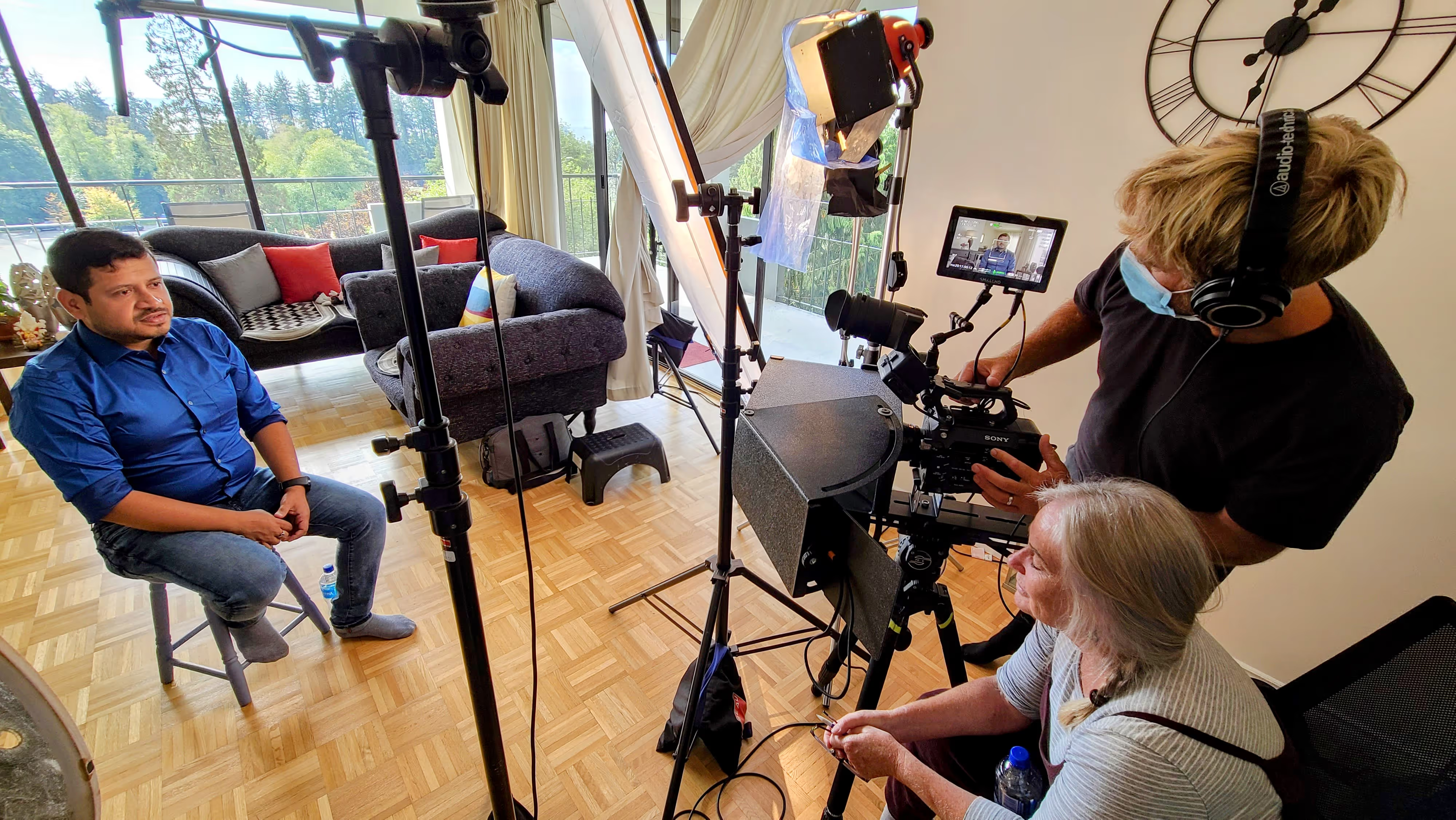

Start with Strategy
The most expensive part of a video is not production, it's indecision. Get aligned early, and everything else moves smoothly.
- What specific action or understanding should this video create?
- Who is the primary audience, and what do they care about?
- Who has decision-making authority, and who simply has opinions?
- How will success be measured?
Build a Realistic Timeline
- Pre-Production: Story development, scripting, approvals, scheduling, logistics, access, and permissions.
- Production: Filming on location, interviews, supporting visuals, and audio capture.
- Post-Production: Editing, graphics, approvals, revisions, accessibility formats, and delivery.
- The Truth: A “rush” video doesn’t save time. It only compresses decision-making, which usually weakens the work and makes it more stressful for everyone involved.
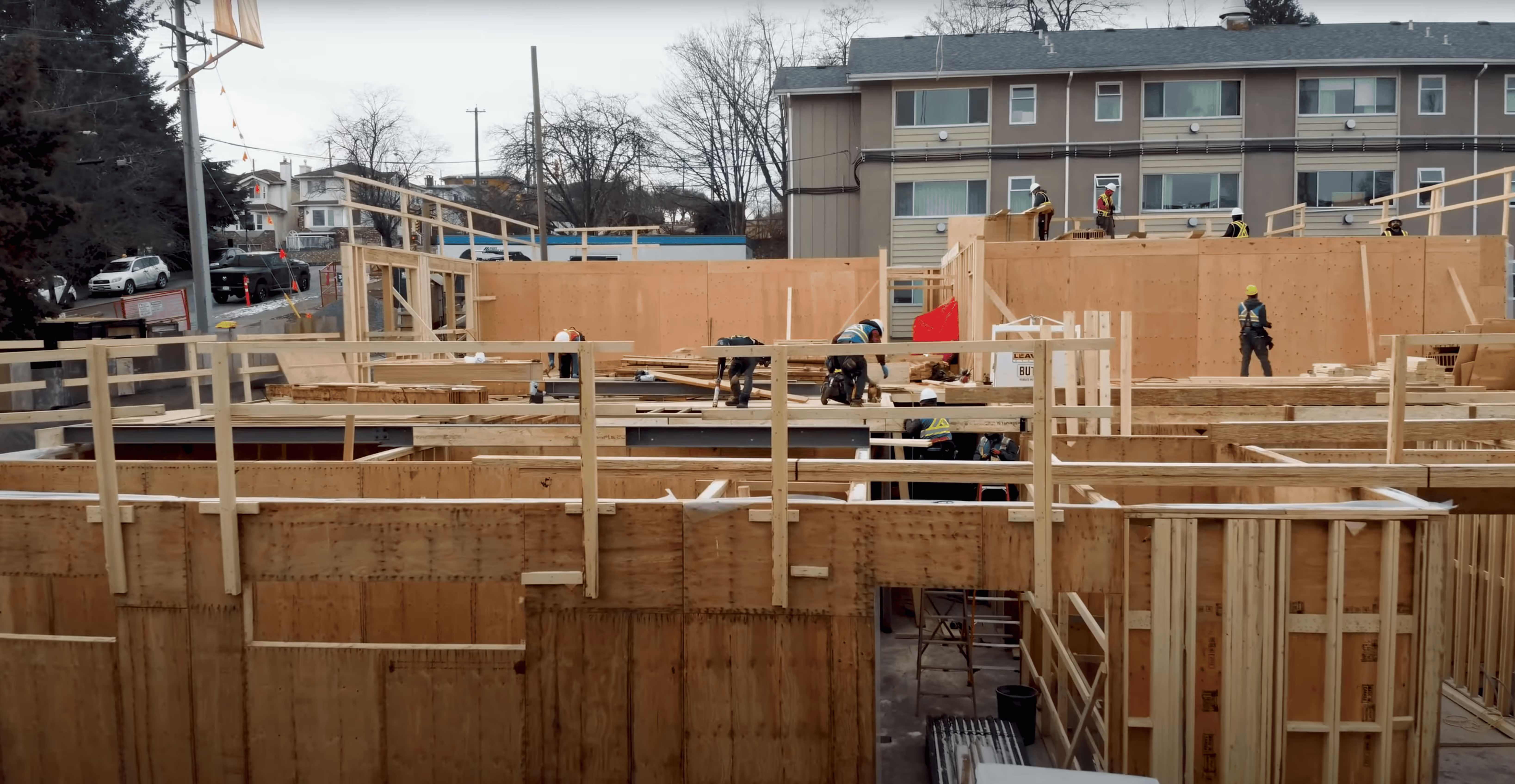
Pre-Production
Production
Post-Production
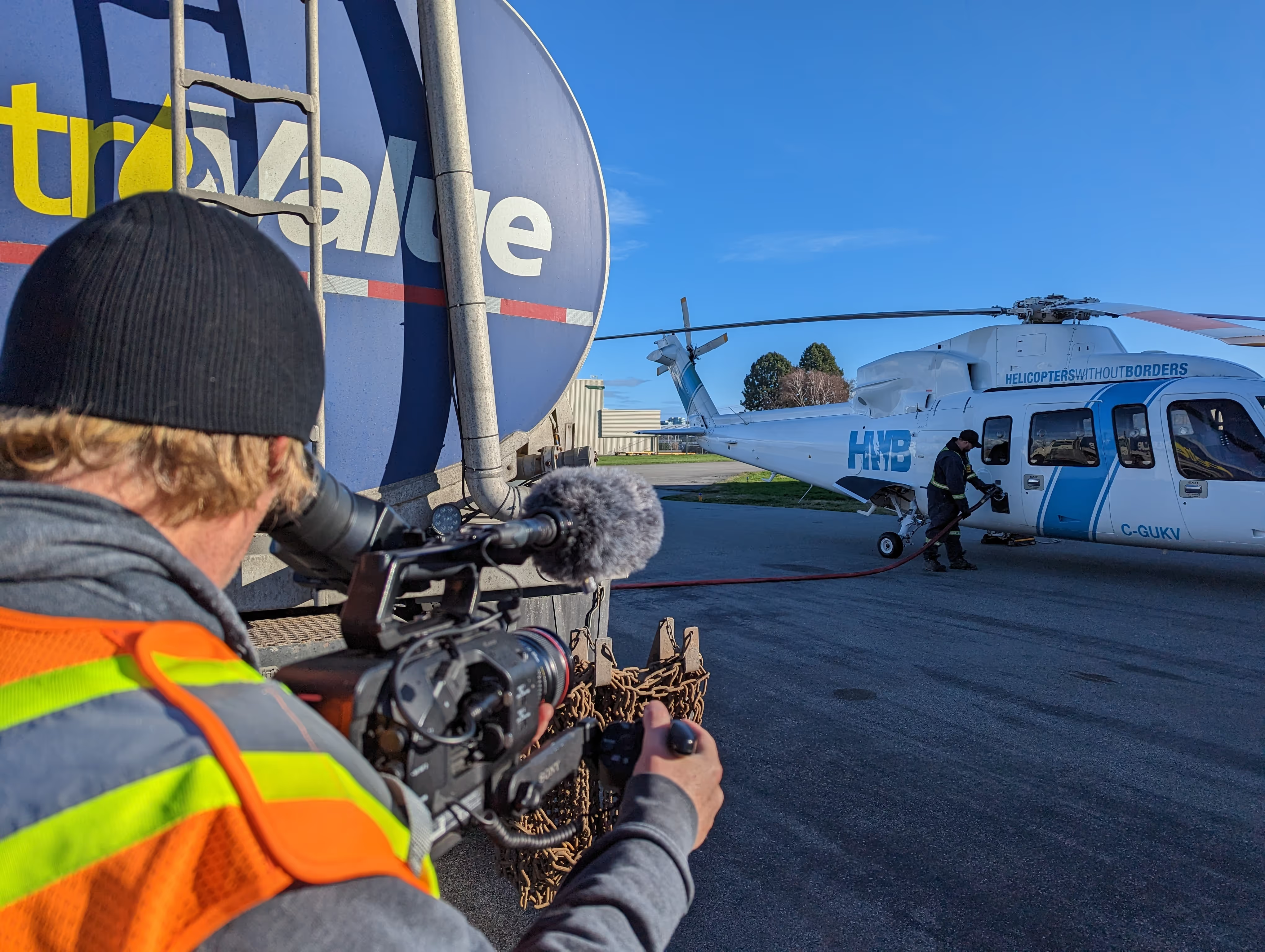
Communicate and Collaborate
- Assign one internal project lead
- Consolidate feedback before sending it
- Stick to agreed review timelines
- Protect the story from last-minute "drive-by" approvals
Frequently Asked Questions
How do I plan a video project?
Start with alignment, not a camera. Nail down the message, the audience, and how success will be measured, then move into a realistic three-phase timeline: pre-production (1–2 weeks), production (2–3 days), and post-production (2–3 weeks).
How long does video production take from start to finish?
For a typical single-shoot project, plan for roughly 4–6 weeks total: 1–2 weeks of pre-production, 2–3 days of filming, and 2–3 weeks of post-production. Larger, multi-location, or multi-day projects take longer.
Who should manage a video production project internally?
One person, not a committee. The fastest projects have a single internal point of contact who consolidates feedback and protects the timeline from last-minute changes. At DHC, that person is paired with a dedicated project manager on our side.
What's the biggest mistake teams make when planning a video?
Rushing the alignment step. A compressed timeline doesn't save time, it just compresses decision-making, which usually weakens the final video and adds stress for everyone involved.
Great Video Starts with Great Planning
We’ll guide you through each stage — strategy, story, and production — so your message lands with clarity and impact.
LET'S TALK